
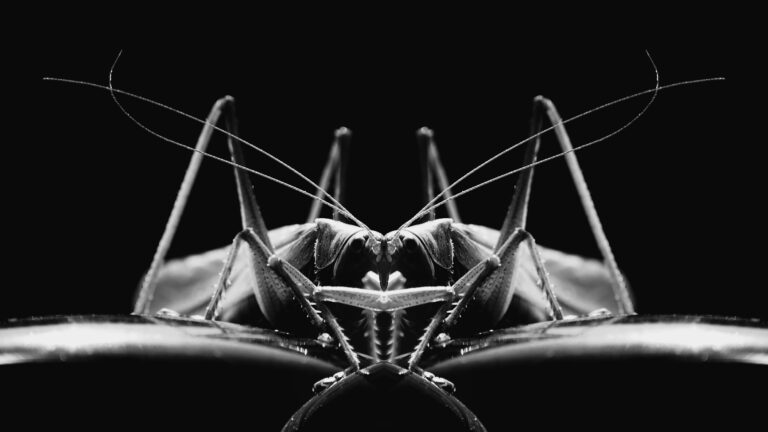
Tutti sappiamo che Gregor Samsa, una mattina qualsiasi, si sveglia trasformato in un insetto. Ma Kafka, a ben vedere, non dice esattamente questo. La parola che sceglie, già nella prima frase dellaMetamorfosi(1915), èUngeziefer: qualcosa di infestante, di indesiderato; un nome che non serve a dirci di quale creatura si tratti, ma a stabilire la relazione che avremo con lei. È ciò che dà fastidio, ciò che non dovrebbe essere lì.
Al Maia Camping, durante il progetto “A Bug’s Life”, abbiamo passato molte ore a fotografare piccoli corpi per tentarne la classificazione con iNaturalist. A volte l’identificazione era immediata; altre volte restava soltanto una lista di possibilità e bisognava guardare meglio (la forma delle antenne, le ali, le zampe, il colore), finché quello che un momento prima era stato semplicemente “un insetto” cominciava a differenziarsi. Mi sono chiesta, allora, quanto possa cambiare una relazione semplicemente sostituendo una domanda con un’altra. Non più: come faccio a mandarlo via? Ma: che cosa sto guardando?
Classificare, d’altra parte, non è un gesto innocente. Gli esseri umani hanno classificato con grande precisione molte delle forme di vita che hanno poi sfruttato, avvelenato, sterminato; la tassonomia può affinare lo sguardo e, nello stesso tempo, essere una forma di cattura, perché ordinare, separare e catalogare ha spesso significato stabilire gerarchie. Con gli insetti, poi, la cattura è stata anzitutto verbale.
Abbiamo chiesto all’ape di insegnarci il lavoro e il governo, alla formica la previdenza e la disciplina, alla farfalla l’anima e la trasformazione; nelle loro società abbiamo ritrovato monarchie, repubbliche, eserciti, schiavi, madri, regine e operaie. Nel Settecento, mentre l’entomologia diventava progressivamente una scienza autonoma, l’osservazione degli insetti e la riflessione sulle società umane crescevano insieme: api e formiche permettevano di pensare il governo, il lavoro, la popolazione, la guerra. Le scoperte venivano tradotte quasi immediatamente in problemi umani. Che il sovrano dell’alveare fosse in realtà una regina, che le operaie fossero femmine, che i fuchi potessero essere massacrati: nulla di tutto ciò restava confinato alla storia naturale, ma entrava nei dibattiti sul genere, sulla società, sull’ordine. E a volte, perché la metafora funzionasse, era la realtà dell’insetto a dover essere riformulata, e in fondo tradita.
Probabilmente non potrebbe essere altrimenti: uno sguardo innocente, privo di parole e di storie, non esiste. MaUngezieferfa qualcosa di più, perché decide che guardare è superfluo e anzi suggerisce di distogliere lo sguardo. L’empatia più-che-umana, allora, potrebbe non consistere nell’aggiungere alla nostra biblioteca una metafora più gentile, ma nell’accorgersi che la metafora c’è, e nel chiedersi che cosa rimanga dell’ape quando non le chiediamo di essere laboriosa, o della formica quando smette di dare lezioni agli esseri umani. Che cosa rimane di un insetto quando non è né utile né nocivo, né bello né disgustoso, né simbolo né esempio?
Non rispondiamo subito. Esitiamo. Ed è proprio dall’esitazione, ho pensato al Maia Camping, che l’empatia potrebbe cominciare.
Un insetto entra nel nostro spazio, si posa sulla pelle, attraversa il tavolo, compare all’improvviso dove non dovrebbe essere. Spesso la mano conosce già il gesto prima ancora che il pensiero abbia formulato una frase: scacciare, allontanare, schiacciare. In quei giorni ho imparato a sostare nel breve intervallo che può aprirsi tra l’apparizione di un corpo e la nostra risposta.
Siamo abituati a immaginare l’empatia come una forma di identificazione: mi prendo cura di te perché ti riconosco, perché riesco a immaginare ciò che senti, perché nel tuo corpo trovo qualcosa che somiglia al mio. Gli insetti rendono difficile questa operazione. I loro corpi sono troppo piccoli, troppo articolati, troppo strani; non riusciamo a riconoscervi un volto, un’espressione, un’intenzione, e non ci restituiscono lo sguardo. Ma è forse proprio qui, quando la somiglianza non viene in nostro aiuto, che l’empatia più-che-umana può nascere.
Il Maia Camping si definisce queer e antispecista. Le due cose possono sembrare semplicemente accostate, due posizioni politiche ospitate nello stesso spazio; ma c’è una domanda che le tiene insieme: che cosa accade quando una vita non occupa il posto che avevamo predisposto per lei?
Non penso che la risposta consista nel dichiarare gli insetti “queer”. Dopo l’ape monarchica, la formica socialista e la farfalla spirituale avremmo finalmente l’insetto queer, l’ennesimo corpo non umano reclutato per parlare di noi. NelManifesto queer veganRasmus Rahbek Simonsen riprende una concezione del queer che non coincide soltanto con una nuova identità: ilqueeringpuò essere uno scardinamento delle certezze, una perturbazione di ciò che appare familiare, un modo di mostrare la contingenza e l’arbitrarietà di ciò che ci è stato raccontato come Natura. In questo senso queer non è l’insetto, ma la relazione, che ci costringe a smettere di considerare ovvio il posto assegnato all’altro.
Greta Gaard, in un saggio del 1997, ha mostrato come molti dei dualismi che organizzano la cultura occidentale – cultura e natura, ragione e corpo, maschile e femminile, umano e non umano, sé e altro – non siano semplici coppie di concetti, perché in ciascuna un termine diventa pienamente soggetto attraverso la subordinazione dell’altro. Gli animali non umani abitano da secoli il piano inferiore di questa architettura.
La faccenda, però, è più complicata. La stessa cultura che ha costruito la natura come materia inferiore da dominare ha continuato a invocarla come autorità: alcune vite vengono svalutate perché troppo vicine alla natura, altre condannate perché sarebbero contro natura. La natura è inferiore, tranne quando deve diventare legge; va dominata, tranne quando serve a stabilire chi siamo autorizzati a essere; deve tacere, tranne quando le chiediamo di testimoniare a favore delle nostre norme.
La critica ecofemminista queer rende visibile questa contraddizione. La varietà della vita non umana mette continuamente in crisi l’idea di un unico ordine naturale: comportamenti omosessuali, sessualità non riproduttive, ermafroditismo, specie composte soltanto da femmine, organizzazioni sociali che non somigliano affatto alla famiglia elevata a modello universale. Anche gli insetti e gli altri artropodi vengono spesso convocati in questo catalogo della stranezza naturale (la mantide, la vedova nera, le società quasi interamente femminili degli imenotteri), e viene la tentazione di dire: “Guardate, anche loro sono queer”.
Ma qui dovremmo fermarci di nuovo, perché ancora una volta stiamo chiamando l’animale a testimoniare per noi. Prima gli abbiamo chiesto di dimostrare che la monarchia era naturale, poi che lo era la divisione del lavoro; ora gli chiediamo di dimostrare che lo è la queerness. Le intenzioni cambiano, il tribunale rimane.
Dalla varietà delle altre specie non possiamo ricavare norme per la nostra: la vita non umana può mettere in crisi la pretesa che esista un unico ordine naturale, ma non ha il compito di assolverci. Una relazione queer con il mondo più-che-umano comincia, credo, proprio quando smettiamo di chiedere agli animali di legittimare la nostra esistenza. Non ho bisogno che un insetto sia queer perché io possa esserlo, né che mi somigli perché la sua vita abbia importanza.
È una delle forme più difficili di empatia, perché siamo abituati a pensare che avvicinarsi significhi trovare qualcosa in comune. Ma che cosa accade se l’avvicinamento non elimina la distanza?
Simonsen descrive il coinvolgimento emotivo con esseri di altre specie come un desiderio di attraversare le frontiere che separano umano e non umano. L’immagine dell’attraversamento mi interessa, purché attraversare un confine non significhi fingere che il confine non esista. Non diventiamo insetti; non sappiamo che cosa significhi essere il piccolo corpo che stiamo osservando, non possiamo essere certi di ciò che sente, né tradurre facilmente la sua esperienza nelle categorie della nostra interiorità. Attraversare potrebbe allora significare qualcosa di meno eroico: lasciare che la frontiera smetta di essere un muro, senza pretendere che diventi uno specchio. Né separazione assoluta né identificazione, insomma, ma il tentativo di avvicinarsi a qualcosa che continua a non essere noi.
È qui che queerness e antispecismo si incontrano. Entrambe le prospettive possono interrogare le operazioni attraverso cui una forma di vita viene trasformata in standard e le altre vengono definite inferiori o devianti. Umano, adulto, maschio, eterosessuale, razionale, autonomo: ogni categoria sembra farsi più stabile quando può immaginare il proprio contrario, cioè l’animale, il corpo, il femminile, il queer, il dipendente, l’irrazionale.
L’infestante.
Torniamo così aUngeziefer. Gregor Samsa non perde soltanto un corpo umano: perde l’accesso alla categoria da cui dipendeva la possibilità di essere ascoltato. Continua a pensare, a preoccuparsi, a ricordare, ma il nuovo corpo gli impedisce di farsi capire. Nessuno gli chiede chi sia, perché la risposta è già pronta: parassita, mostro. La violenza di quella parola non sta soltanto nell’offesa, ma nella velocità con cui agisce;Ungeziefercancella il tempo necessario a guardare.
Forse era proprio questo tempo che cercavamo di riscoprire, chinati sull’erba con i telefoni in mano. Non voglio idealizzare quel gesto: anche iNaturalist appartiene al nostro bisogno di nominare, classificare, possedere, e un’identificazione può diventare un altro modo per credere di aver esaurito ciò che abbiamo davanti. Eppure tra “un insetto” e il tentativo di riconoscere una specie qualcosa accadeva comunque. Dovevamo sostare, guardare; il corpo si differenziava, quello che sembrava uno diventava molti, e la categoria perdeva la sua compattezza.
Simonsen, sulla scorta di Sara Ahmed, parla di una «devianza condivisa». Mi piace pensare che possa esserci qualcosa di simile anche nell’attenzione, una deviazione minuscola rispetto al percorso previsto. L’insetto appare, la mano sa già che cosa fare, eppure per una volta il gesto non arriva subito. Non perché all’improvviso io apprezzi ciò che ho davanti, o abbia capito che è utile, o lo conosca, o abbia scoperto che in fondo mi somiglia: semplicemente, qualcosa ha interrotto l’automatismo.
Non possiamo presentarci davanti a un insetto senza la nostra biblioteca, né disimparare tutte le parole, né incontrare una vita come se fossimo i primi esseri umani a guardarla. L’empatia, forse, non nasce dal capire chi abbiamo davanti: comincia quando smettiamo di credere che debba essere qualcuno per noi.
Riferimenti
Gaard, Greta 1997, Toward a queer ecofeminism,Hypatia, 12, 1; trad. it.Verso un ecofemminismo queer, 2011.
Simonsen, Rasmus Rahbek 2013, Manifesto queer vegan,Liberazioni, 14, pp. 44–68.
Learning to Hesitate
We all know that Gregor Samsa, one ordinary morning, wakes up transformed into an insect. Yet Kafka, on closer inspection, does not quite say this. The word he chooses, in the very first sentence ofThe Metamorphosis(1915), isUngeziefer: vermin, something unwanted; a name that does not tell us what kind of creature this is, but establishes the relationship we will have with it. It is whatever bothers us, whatever should not be there.
At Maia Camping, during the A Bug’s Life project, we spent many hours photographing tiny bodies and trying to identify them with iNaturalist. Sometimes the identification came at once; at other times we were left with nothing more than a list of possibilities and had to look more closely – the shape of the antennae, the wings, the legs, the colour – until what had been, a moment earlier, simply “an insect” began to differentiate itself. I began to wonder, then, how much a relationship can change simply by replacing one question with another. No longer: how do I get rid of it? But: what am I looking at?
Classifying, however, is not an innocent gesture. Humans have classified with great precision many of the life forms they went on to exploit, poison, and exterminate; taxonomy can sharpen the eye and, at the same time, be a form of capture, since ordering, separating, and cataloguing have often meant establishing hierarchies. With insects in particular, this capture has been above all verbal.
We have asked the bee to teach us about work and government, the ant about foresight and discipline, the butterfly about the soul and transformation; in their societies we have found monarchies, republics, armies, slaves, mothers, queens, and workers. In the eighteenth century, as entomology gradually became an autonomous science, the observation of insects and reflection on human societies grew together: bees and ants offered ways of thinking about government, labour, population, and war. Discoveries were translated almost immediately into human problems. That the ruler of the hive was in fact a queen, that the workers were female, that drones could be massacred: none of this remained confined to natural history, but entered debates about gender, society, and order. And sometimes, for the metaphor to work, it was the reality of the insect that had to be reshaped – and, in the end, betrayed.
Perhaps it could not be otherwise: there is no innocent gaze, untouched by words and stories. ButUngeziefergoes further, because it decides that looking is unnecessary and even suggests that we look away. More-than-human empathy, then, may not consist in adding a gentler metaphor to our library, but in noticing that the metaphor is there, and in asking what remains of the bee when we stop asking it to be industrious, or of the ant when it stops teaching lessons to human beings. What remains of an insect when it is neither useful nor harmful, beautiful nor disgusting, symbol nor example?
We do not answer straight away. We hesitate. And it is precisely from hesitation, I thought at Maia Camping, that empathy might begin.
An insect enters our space, lands on our skin, crosses the table, suddenly appears where it should not be. Often the hand already knows the gesture before thought has even formed a sentence: brush it off, chase it away, crush it. During those days I learned to remain in the brief interval that can open between the appearance of a body and our response.
We are used to imagining empathy as a form of identification: I care for you because I recognise you, because I can imagine what you feel, because I find in your body something that resembles my own. Insects make this operation difficult. Their bodies are too small, too articulated, too strange; we cannot recognise in them a face, an expression, an intention, and they do not return our gaze. Yet it is perhaps precisely here, when resemblance does not come to our aid, that more-than-human empathy can begin.
Maia Camping defines itself as queer and antispeciesist. The two may seem simply placed side by side, two political positions hosted within the same space; but there is one question that holds them together: what happens when a life does not occupy the place we had prepared for it?
I do not think the answer lies in declaring insects “queer”. After the monarchical bee, the socialist ant, and the spiritual butterfly, we would finally have the queer insect – yet another nonhuman body recruited to speak about us. InA Queer Vegan ManifestoRasmus Rahbek Simonsen draws on a conception of the queer that does not simply coincide with a new identity: queering can be a disruption of certainties, a disturbance of what appears familiar, a way of revealing the contingency and arbitrariness of what has been presented to us as Nature. In this sense, it is not the insect that is queer, but the relationship, which forces us to stop treating the place assigned to the other as self-evident.
Greta Gaard, in a 1997 essay, showed how many of the dualisms that organise Western culture – culture and nature, reason and body, masculine and feminine, human and nonhuman, self and other – are not simply pairs of concepts, since in each of them one term becomes a full subject through the subordination of the other. Nonhuman animals have inhabited the lower floor of this architecture for centuries.
Things, however, are more complicated. The same culture that constructed nature as inferior matter to be dominated has continued to invoke it as an authority: some lives are devalued for being too close to nature, others condemned for supposedly being against nature. Nature is inferior, except when it must become law; it must be dominated, except when it is needed to establish who we are allowed to be; it must remain silent, except when we ask it to testify in favour of our norms.
Queer ecofeminist critique makes this contradiction visible. The diversity of nonhuman life constantly challenges the idea of a single natural order: homosexual behaviour, non-reproductive sexuality, hermaphroditism, all-female species, social organisations that bear no resemblance at all to the family turned into a universal model. Insects and other arthropods, too, are frequently summoned into this catalogue of natural strangeness – the praying mantis, the black widow, the almost entirely female societies of the Hymenoptera – and one is tempted to say: “Look, they are queer too.”
But here we should stop again, because once more we are calling the animal to testify on our behalf. First we asked it to prove that monarchy was natural, then that the division of labour was; now we ask it to prove that queerness is. Our intentions change; the court remains.
We cannot derive norms for our species from the diversity of others: nonhuman life can challenge the claim that there is a single natural order, but it is not its task to absolve us. A queer relationship with the more-than-human world begins, I think, precisely when we stop asking animals to legitimise our existence. I do not need an insect to be queer in order to be queer myself, nor do I need it to resemble me for its life to matter.
This is one of the most difficult forms of empathy, because we are used to thinking that getting closer means finding something in common. But what happens if proximity does not eliminate distance?
Simonsen describes emotional involvement with beings of other species as a desire to cross the boundaries that separate human and nonhuman. I am interested in this image of crossing, provided that crossing a boundary does not mean pretending that the boundary does not exist. We do not become insects; we do not know what it means to be the small body we are observing, we cannot be certain of what it feels, nor can we easily translate its experience into the categories of our own inner life. Crossing might then mean something less heroic: allowing the boundary to stop being a wall, without demanding that it become a mirror. Neither absolute separation nor identification, in short, but the attempt to approach something that continues not to be us.
This is where queerness and antispeciesism meet. Both perspectives can question the operations through which one form of life is turned into the standard and others are defined as inferior or deviant. Human, adult, male, heterosexual, rational, autonomous: every category seems to become more stable when it can imagine its opposite – the animal, the body, the feminine, the queer, the dependent, the irrational.
The verminous.
This brings us back toUngeziefer. Gregor Samsa does not simply lose a human body: he loses access to the category on which his possibility of being heard depended. He goes on thinking, worrying, remembering, but his new body prevents him from making himself understood. No one asks him who he is, because the answer is already there: vermin, monster. The violence of the word lies not only in the insult but in the speed with which it acts;Ungeziefererases the time it takes to look.
Perhaps this was precisely the time we were trying to recover as we bent over the grass with our phones in our hands. I do not want to idealise that gesture: iNaturalist, too, belongs to our need to name, classify, and possess, and an identification can become one more way of believing that we have exhausted what stands before us. Yet between “an insect” and the attempt to recognise a species, something did happen. We had to pause, to look; the body differentiated itself, what had seemed one became many, and the category lost its compactness.
Drawing on Sara Ahmed, Simonsen speaks of a “shared deviance”. I like to think that something similar may exist in attention too – a tiny deviation from the expected path. The insect appears, the hand already knows what to do, and yet, for once, the gesture does not come straight away. Not because I suddenly appreciate what is before me, or have understood that it is useful, or know it, or have discovered that, deep down, it is similar to me: something has simply interrupted the automatic response.
We cannot face an insect without our library, nor unlearn every word, nor encounter a life as though we were the first human beings ever to see it. Perhaps empathy does not begin with understanding who is before us: it begins when we stop believing that they must be someone for us.
